How Reservation Systems Improve Customer Experience
Customer experience is no longer shaped only by the product or service a business offers. It is shaped by every interaction before, during, and after the purchase. In many industries, the booking process is one of the first real moments where a customer forms an opinion about a brand. If that process feels slow, confusing, or unreliable, trust drops quickly. If it feels simple, fast, and organized, the customer starts with confidence. This is where reservation systems make a real difference.
A reservation system is more than a digital calendar or a booking tool. It acts as a bridge between customer expectations and business operations. It helps customers book services, tables, rooms, appointments, tickets, or consultations without friction. At the same time, it helps businesses manage time slots, staff, availability, and communication in a more organized way.
When used well, a reservation system does not just improve efficiency inside the business. It improves the full customer journey. It reduces waiting, prevents confusion, gives customers more control, and creates a smoother and more professional experience from start to finish. This blog explores how reservation systems improve customer experience and why they have become essential for businesses that want to build trust, satisfaction, and long-term loyalty.
The Booking Process Becomes Faster and Easier
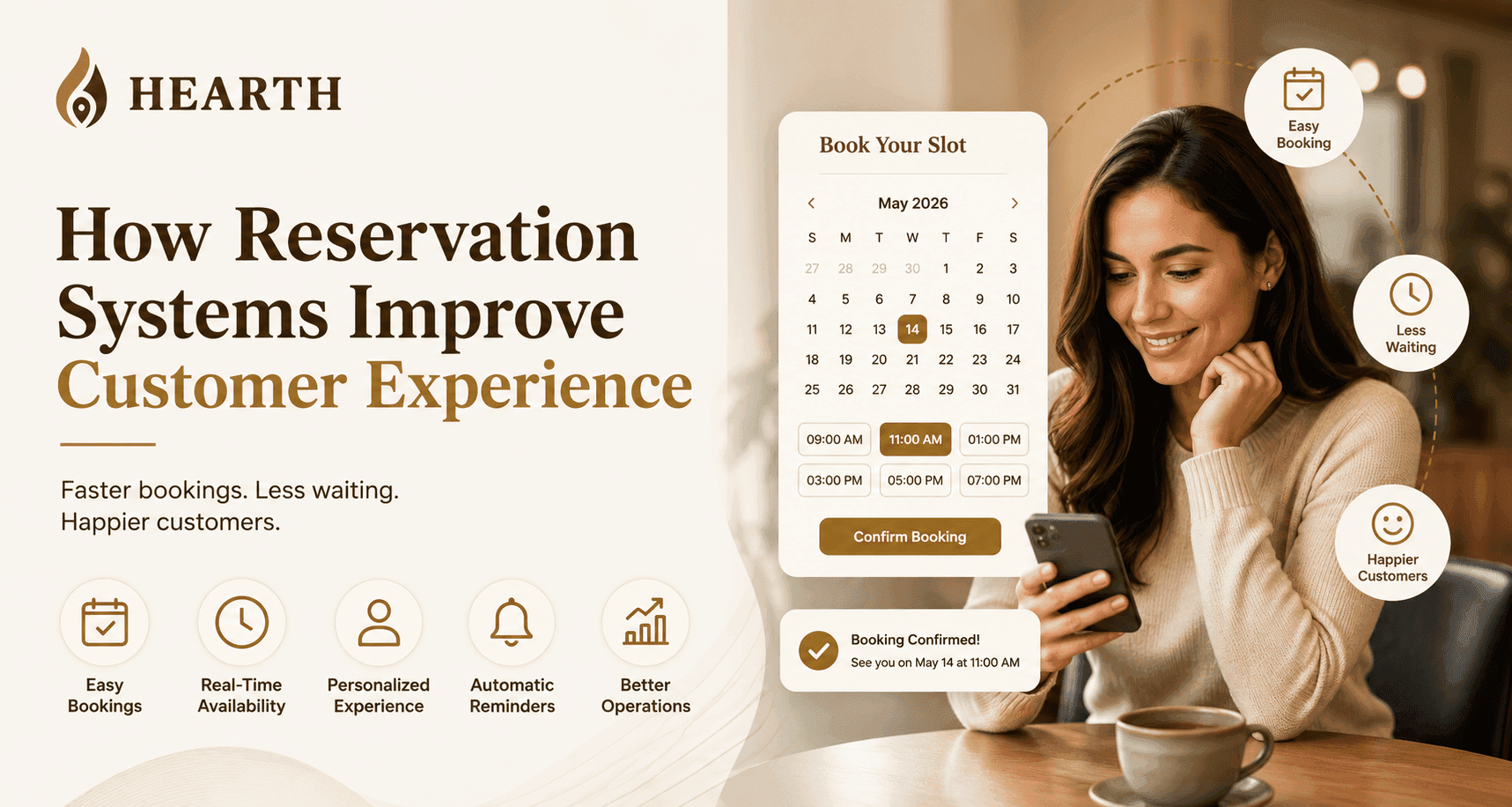
One of the biggest frustrations customers face is wasted time. Many people no longer want to call during business hours, wait for a response, or go back and forth to confirm availability. They want a simple system that lets them choose a date, pick a time, and complete the booking within minutes. A good reservation system makes this possible.
Instead of depending on manual communication, customers can see available slots in real time. They can book at their convenience, whether it is early morning, late at night, or during a busy workday. This level of convenience matters because it respects the customer’s time.
A fast booking process also reduces drop-off. If the process takes too long, customers often leave and look for another option. A clean and easy reservation flow keeps momentum high. It turns interest into confirmed action. For the customer, this feels simple. For the business, it means fewer missed opportunities.
Customers Gain Control Over Their Experience
Modern customers value independence. They want the freedom to manage things on their own without relying on constant support. Reservation systems support this by giving customers more control over the booking journey.
They can choose the service they want, compare time slots, select preferred staff or locations, and often update or cancel their booking without needing to contact the business directly. This creates a stronger sense of flexibility and comfort.
Control improves experience because it reduces uncertainty. Customers feel better when they know what options are available and what happens next. They do not have to guess. They do not have to chase confirmation. They can see the process clearly and make decisions with confidence. That feeling of control is one of the strongest drivers of satisfaction.
Real-Time Availability Reduces Frustration
Nothing damages trust faster than outdated information. A customer sees one thing online, takes action, and then hears that the slot is no longer available. This creates disappointment and makes the business seem disorganized.
Reservation systems solve this by showing real-time availability. Customers see accurate options based on the current schedule. If a slot is full, it appears unavailable. If a cancellation opens space, it updates quickly. This reduces double bookings, miscommunication, and unnecessary friction.
Real-time availability is especially valuable in industries where timing matters, such as hotels, restaurants, clinics, salons, event venues, travel services, and consultation-based businesses. Customers do not want vague answers. They want clarity.
When availability is accurate, customers trust the system more. When they trust the system, they trust the brand more.
Waiting Time Becomes Shorter and More Predictable
Long and uncertain waiting is one of the biggest causes of customer frustration. People can accept waiting when they expect it and plan around it. What they do not like is disorder, confusion, and lack of information.
Reservation systems improve this by organizing demand in advance. Customers arrive with a confirmed time slot. Staff can prepare accordingly. The business can distribute appointments, tables, or service windows more evenly throughout the day.
This creates a better customer experience because it reduces the amount of time people spend in queues, waiting rooms, or at crowded service points. Moreover, it helps manage customer expectations. Customers know when they need to arrive, and businesses know when to expect them.
By reducing perceived waiting time and creating smoother operations, customers leave with a more positive impression.
Customization Enhances Personalization
Modern reservation systems offer features that allow businesses to gather data about their customers. This can include previous visits, preferred times, payment methods, or even dietary restrictions in the case of restaurants. This customer data can be used to personalize the booking process further.
For example, a restaurant might show a special deal for a customer’s favorite meal, or a hotel might suggest the room they stayed in on their last visit. By offering tailored experiences based on customer preferences, businesses show customers that they care about their individual needs and desires. Personalization enhances satisfaction and loyalty.
Customers feel more valued when the system “remembers” them. A system that understands their preferences and anticipates their needs improves their overall experience.
Integration With Other Services Improves Convenience
Modern reservation systems integrate seamlessly with other tools and platforms. From calendar synchronization to email or SMS confirmations, these systems help make the experience more connected and convenient for customers.
For instance, a salon booking system can send reminders to customers about their appointments via SMS or email. An airline booking system might automatically update customers about delays or gate changes.
By offering reminders, providing follow-up communications, and integrating with apps or personal calendars, businesses eliminate the need for customers to keep track of details themselves. This reduces the likelihood of missed appointments or bookings and improves the sense of reliability.
When customers don’t have to worry about logistical details, they experience greater peace of mind.
Easier Payment and Refund Processes
A key part of the reservation experience is payment. Reservation systems allow customers to pay upfront or at the time of service, often with various payment options, including credit cards, debit cards, PayPal, or even mobile payments.
This ease of payment makes the transaction seamless and reduces friction. Additionally, modern systems often include easy-to-follow refund or cancellation processes. Customers can quickly cancel or reschedule without complications. Having clear and transparent policies available via the reservation system builds trust.
If a customer faces issues, an intuitive, straightforward refund process can be the difference between a negative experience and a satisfied one. This removes stress, especially when things don’t go exactly as planned.
Improved Communication and Transparency
Communication plays a massive role in customer experience. In the absence of a reservation system, customers may find themselves chasing updates or unsure about their booking status. A well-designed system provides transparency through instant confirmation emails, automated reminders, and clear policies.
For businesses, this means fewer missed calls and emails, and for customers, it means they are kept in the loop without having to wait for human intervention. A clear communication channel reassures customers and reinforces professionalism.
Moreover, many systems allow customers to interact directly with businesses, like asking questions, adding special requests, or requesting a follow-up. These communication features streamline the process and make customers feel more involved and informed.
Reduces No-Shows and Last-Minute Cancellations
A common problem for businesses, especially those in the service industry, is no-shows or last-minute cancellations. A reservation system can help reduce this issue through features like cancellation policies, automatic reminders, and deposits.
For instance, a hotel may require a deposit upfront, while a restaurant can automatically send a reminder the day before. This not only ensures better attendance but also improves cash flow and operational efficiency. By proactively addressing no-shows, a reservation system ensures businesses are not left scrambling to fill empty time slots or seats.
Analytics Help Optimize Operations
Finally, reservation systems provide valuable data analytics that helps businesses optimize their operations. By analyzing booking patterns, peak times, and customer preferences, businesses can better allocate resources, plan staffing schedules, and forecast demand.
This data also helps businesses understand customer behavior. For example, if a restaurant sees a surge in bookings at a particular time of year, it can plan accordingly with seasonal offers. Similarly, if a hotel knows that guests prefer certain types of rooms, they can adjust their offerings.
This data-driven approach helps businesses make smarter decisions, ultimately leading to better service and increased customer satisfaction.
Conclusion
A reservation system is not just a tool to handle appointments or bookings. It is a critical part of the customer experience that shapes perceptions, builds trust, and influences satisfaction. By providing speed, control, personalization, transparency, and improved communication, a good reservation system enhances every stage of the customer journey.
For businesses, it’s an investment that reduces friction, streamlines operations, and drives customer loyalty. In today’s competitive landscape, a seamless booking experience is not just a luxury; it is an expectation.
Implementing a reservation system not only helps businesses stay competitive but also offers a tangible way to improve customer experience in real, measurable ways.